Everyday Living In Alexandria VA: Neighborhoods, Dining, And Culture
Wondering what everyday life in Alexandria, VA actually feels like once you move beyond the postcard views? If you are trying to picture your routine here, the answer depends a lot on which part of the city fits your pace, priorities, and preferred way of getting around. From waterfront walks and farmers markets to Metro access and neighborhood dining, Alexandria offers a lifestyle that can feel both convenient and distinctively local. Let’s dive in.
Alexandria is an independent city in Northern Virginia just across the Potomac River from Washington, D.C. Official city materials describe it as a place where small-town charm and big-city amenities overlap, and that balance is a big part of its appeal.
What stands out most is that Alexandria is not one uniform place. Instead, it functions as a network of neighborhoods and mixed-use districts connected by Metro, DASH, bikeshare, trails, and the waterfront, which gives you several different ways to shape daily life.
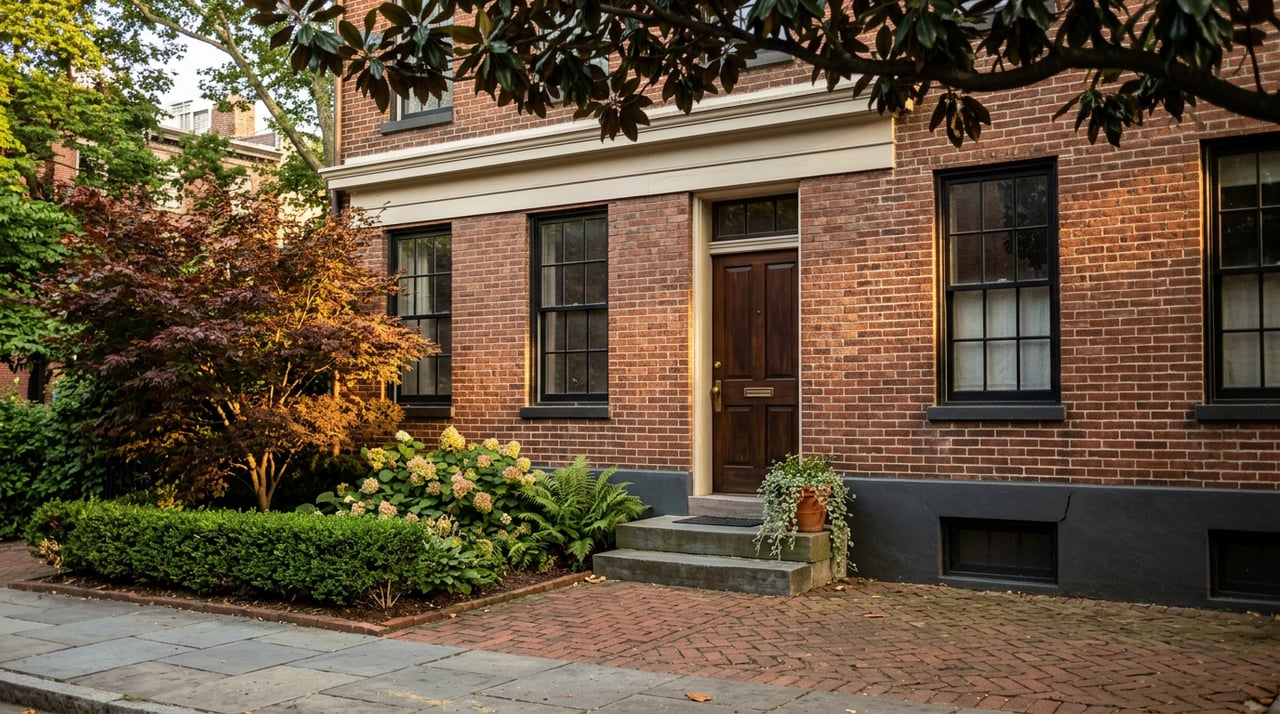
Old Town is Alexandria’s historic downtown and nationally designated historic district along the Potomac River waterfront. If you want a highly walkable routine, this is one of the city’s most established settings, with King Street serving as a central corridor for shopping, dining, and daily errands.
The King Street mile is known for centuries-old architecture, historic attractions, and more than 200 independent restaurants and shops. You also have access to the King Street and Braddock Road Metrorail stations, the free King Street Trolley, and waterfront transit options like river taxis and boat tours.
For many buyers, Old Town offers a lifestyle built around walking to dinner, meeting friends for coffee, browsing local storefronts, and spending time near the water. It tends to feel active, polished, and visitor-friendly while still functioning as a real neighborhood for residents.
Del Ray sits about a mile from Old Town and offers a different kind of rhythm. It is centered around walkable Mount Vernon Avenue and is often described through its murals, outdoor gathering spots, and neighborhood-scale events.
This area is known for its weekly farmers market, cafés, vintage shops, and an active Wellness District. Signature events like the Del Ray Halloween Parade, Art on the Avenue, and holiday tree and menorah lighting give the neighborhood a social, recurring calendar that can shape your weekends in a very local way.
If Old Town feels more historic and waterfront-oriented, Del Ray feels more main-street and community-driven. For buyers who picture regular brunch, coffee runs, market mornings, and casual evenings close to home, Del Ray often stands out.
Old Town North is framed as Alexandria’s arts and culture district north of King Street. It brings together riverside green space, public art, and nearby trail access with a growing dining scene.
It is also home to cultural anchors including The Art League, MetroStage, and the Alexandria Symphony Orchestra. If you want a location that blends waterfront access with a steady arts presence and neighborhood dining, Old Town North offers a distinctive mix.
Potomac Yard and Carlyle appeal to people who want a more modern mixed-use setting. These areas are described as strong options for transit access, newer development, and a more urban-commercial routine.
Potomac Yard sits between Old Town North and Del Ray and is anchored by the Virginia Tech campus and the city’s newest Metro station. Carlyle and Eisenhower, in the southwest part of the city, are presented as Alexandria’s entrepreneurial hub with mixed-use development, parks, and transit connections.
For everyday living, that can translate to easier commuting patterns, newer retail and dining options, and a more contemporary feel. If your ideal week includes Metro access, grab-and-go convenience, and a less historic housing environment, these districts may be worth a closer look.
Arlandria-Chirilagua adds another layer to Alexandria’s identity. It is known for murals, live music at the Birchmere, and a strong Central American food culture.
Rather than the polished historic feel of Old Town, this area is better understood through cultural diversity, neighborhood energy, and regional food identity. For some buyers, that adds texture and authenticity to the idea of living in Alexandria.
In Alexandria, dining is not just about special occasions. It is part of how many people move through the week, whether that means coffee in the morning, brunch on the weekend, outdoor dining in the evening, or a market stop before heading home.
Old Town’s dining identity is tied closely to the waterfront, King Street foot traffic, and independent restaurants. Del Ray leans more toward cafés, brunch spots, beer gardens, and casual neighborhood favorites, while newer districts like Potomac Yard and Carlyle add mixed-use dining options with a more contemporary setting.
Old Town North adds another angle with rooftop patios, seafood, Thai food, and elevated neighborhood dining. Taken together, Alexandria’s food scene feels varied rather than one-note, which makes it easier to find a pocket of the city that matches your routine.
One of the clearest signs of Alexandria’s lifestyle appeal is how many community routines center on farmers markets. The city lists year-round markets in Old Town, Del Ray, Old Town North, and West End, along with the Four Mile Run Farmers and Artisans Market.
The Old Town Farmers’ Market stands out in particular. According to the city, it has been held at Market Square for more than 260 years and is the oldest continuously held farmers’ market at the same site in the country.
That history matters, but so does the practical side. Markets help turn a neighborhood into a place where you can build regular habits, see familiar faces, and make local shopping part of your week.
A big part of everyday living in Alexandria is mobility. The city says it has five Metrorail stations, plus its own Amtrak station and VRE station near King Street, along with DASH local buses, Metrobus service, and the free King Street Trolley.
The trolley runs daily every 15 minutes between King Street Metro and City Hall/Market Square. Combined with walking, biking, and trail connectivity, that gives you multiple ways to handle errands, commuting, and leisure time without relying only on a car.
This matters if you are comparing Alexandria with other close-in markets. In many parts of the city, your routine can be shaped by transit access, walkability, and short local trips instead of long drives.
Alexandria’s outdoor lifestyle is another major draw. The city’s Parks and Recreation department says Alexandria has more than 900 acres of parks and public spaces, along with dog parks, recreation centers, pools, waterfront access, and neighborhood programs.
The waterfront adds a strong sense of place to daily life. Scenic Potomac views, live street performers, river cruises, and water taxis to Georgetown, Mount Vernon, and National Harbor all contribute to a routine that can feel more open and active than you might expect from a compact city.
For some people, that means morning walks near the river. For others, it means trail access, parks for weekend downtime, or simply having more public outdoor space woven into daily living.
Alexandria’s cultural life is not limited to a few annual events. It is built into the city’s neighborhood identity, arts spaces, and public programming.
The Torpedo Factory Art Center remains one of the city’s best-known anchors and is described by the city as the nation’s longest continually operated community of publicly accessible artists’ studios in a converted industrial space. Old Town North’s arts district and public art program add to that foundation.
Seasonal events also help define the city’s rhythm. Old Town’s Scottish Christmas Walk, Holiday Boat Parades, and the Alexandria Art Festival, along with Del Ray’s Art on the Avenue and Halloween Parade, show how neighborhood-based events create a sense of continuity throughout the year.
Alexandria can work well if you want an amenity-rich lifestyle where neighborhoods feel distinct and many daily needs are close at hand. The strongest overall pattern from city and tourism materials is a routine shaped by walking, transit, farmers markets, waterfront access, and local dining.
That does not mean every neighborhood feels the same. Old Town often fits buyers drawn to historic character and waterfront energy, while Del Ray appeals to those who want a social main street feel. Potomac Yard and Carlyle may suit buyers looking for newer mixed-use environments, and Old Town North or Arlandria-Chirilagua can offer different versions of arts, culture, and neighborhood identity.
If you are trying to choose the right part of Alexandria, it helps to think beyond commute time alone. The better question is often how you want your average Tuesday, Saturday morning, and evening walk to feel.
If you are exploring Alexandria as your next move, working with a local team that understands how lifestyle and long-term value intersect can make the process a lot clearer. To talk through neighborhoods, commuting patterns, and the kind of daily routine you want to build, connect with James Podoley.
Bringing together a team with the passion, dedication, and resources to help our clients reach their buying and selling goals. With you every step of the way. Contact us today to find out how we can be of assistance to you!