First-Time Buying In Washington DC: What To Expect
Buying your first home in Washington, DC can feel exciting one minute and overwhelming the next. You may be wondering how fast the market moves, how much cash you really need, and what makes buying in DC different from other places. The good news is that once you know the steps, the timelines, and the local programs that may help, the process becomes much easier to navigate. Let’s break down what to expect.
Washington, DC’s official homebuying guide follows a six-step path: prepare, search, offer, go under contract, go to settlement, and manage the home after purchase. That structure is helpful because it shows that buying does not start with touring homes. It starts with getting financially and logistically ready.
For many first-time buyers, preparation takes longer than expected. You may need time for preapproval, budgeting, comparing loan options, or completing steps for a local assistance program. In DC, the under-contract period is often 30 to 90 days, while the settlement appointment itself usually takes about an hour.
Preapproval is one of the first major milestones because it helps you understand your price range before you shop seriously. It also matters when you make an offer, since many sellers want to see a preapproval letter before accepting one. Just remember that preapproval is not a guaranteed loan offer, and the letter often expires in 30 to 60 days.
Your budget should also include more than the monthly mortgage payment. Closing costs commonly run about 2% to 5% of the purchase price, not including your down payment. That means your cash needs may be higher than expected, especially if you are also planning for moving costs, reserves, or condo fees.
One of the biggest surprises for first-time buyers is that DC is not one single market. Different property types can move at very different speeds, which can shape your strategy and your stress level.
According to the April 2026 Bright MLS Washington, D.C. metro report, detached homes had a median sold price of $875,000 and a median of 6 days on market. Attached homes and townhomes came in at $621,231 with 8 median days on market. Condos had a median sold price of $395,000 and 19 median days on market.
That difference matters. If you are shopping for a detached home or rowhome-style property, you may need to act quickly when the right one appears. If you are focused on condos, you may have a bit more time to compare buildings, review fees, and study reserves before making a decision.
In DC, many first-time buyers compare condos, co-ops, and rowhomes. These homes can all be good options, but the ownership structure and paperwork are very different.
With a condo, you typically own your individual unit and share ownership of the common areas. For many first-time buyers, this can be an appealing entry point because it often offers a lower-maintenance lifestyle in a more urban setting. The tradeoff is that you will likely have condo dues and building rules to review.
A co-op works differently. Instead of owning a deeded unit, you buy shares in a corporation that owns the building. That usually means more rules, more document review, and a more involved approval process than a typical condo purchase.
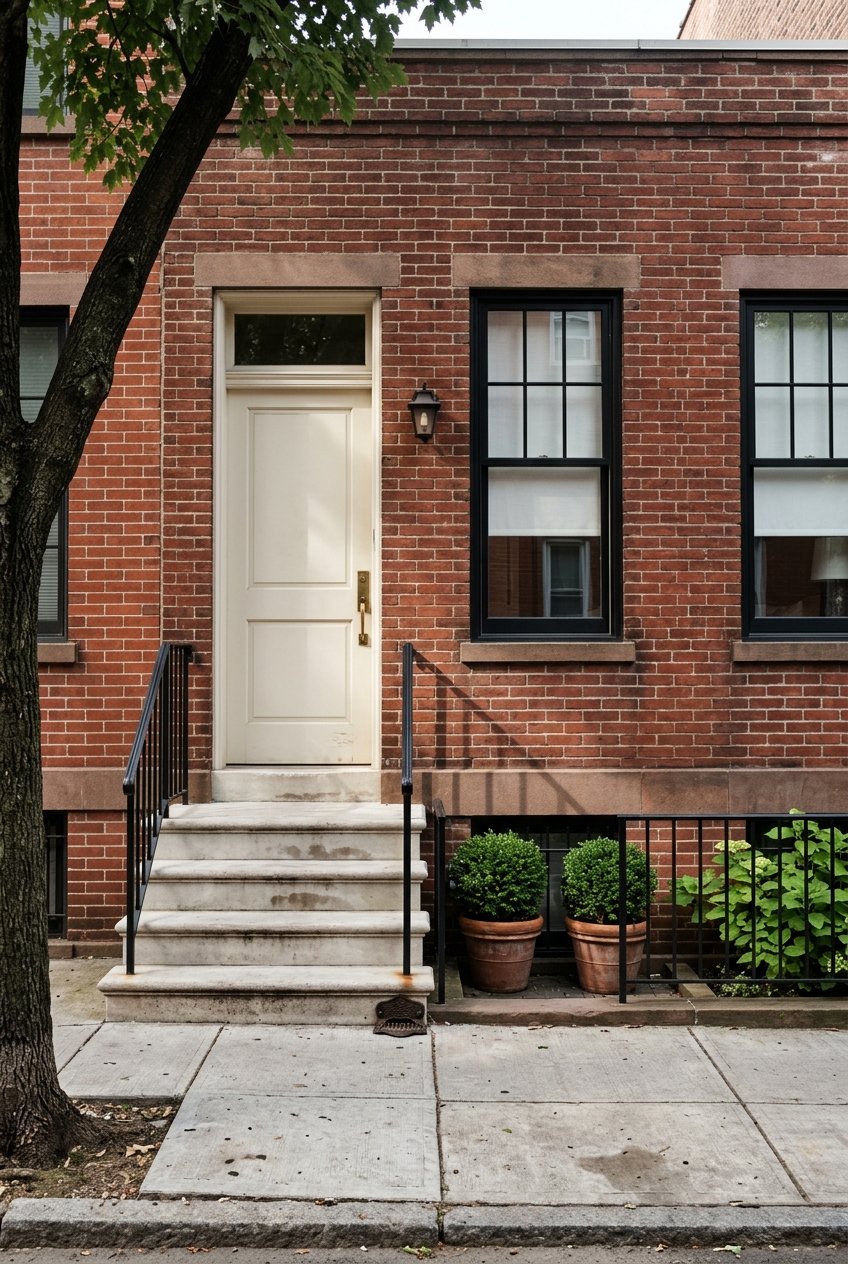
Rowhomes and townhomes often feel more like a traditional house. They may offer more privacy or space than some condos, but they also come with shared walls, close-in city density, and sometimes limited outdoor space. In a fast-moving segment, they can also draw strong competition.
Once a seller accepts your offer, the real work begins. This is the stage where many first-time buyers realize that buying a home is as much about paperwork and deadlines as it is about finding the right place.
During the contract period, buyers should expect inspection, appraisal, title work, and insurance setup. If you are buying a condo or co-op, this is also when you may need to review HOA or cooperative bylaws, financial statements, and other governing documents. DC advises buyers to expect several days for this review.
Home inspections should be scheduled as soon as possible. The contract period can move quickly, and you want enough time to understand the home’s condition and make informed decisions. In competitive DC markets, escalation clauses are also not uncommon, so the offer stage may move faster and feel more strategic than many first-time buyers expect.
DC offers several local programs that can make homeownership more accessible, but each comes with rules, timelines, and eligibility steps. If you think you may use one of these programs, it is smart to factor that into your planning from the start.
The Home Purchase Assistance Program, or HPAP, is one of the biggest local down payment tools available. Eligible buyers may receive up to $202,000 in financing assistance and up to an additional $4,000 in closing cost assistance when purchasing a single-family house, condominium, or cooperative unit in the District.
There is a process, though. Applicants must complete counseling steps, receive a Notice of Eligibility, and finish the purchase within one year. Funding is also first come, first served, so timing matters.
DC Open Doors is another program worth knowing about. It provides a deferred loan for 3% or 3.5% of the sale price or appraised value, whichever is lower, for down payment or closing costs.
Current program guidelines include a minimum 640 credit score, income at or below $199,200, a debt-to-income ratio below 50%, and a maximum first-trust mortgage of $726,200. The lender application deadline must be at least five days before closing, which is another reason to plan early.
For some buyers, the Inclusionary Zoning program may offer a path to a reduced purchase price. In most new or renovated condo and townhome developments, 8% to 10% of units are sold at reduced prices through this program.
Buyers must complete orientation and homeownership training, then enter a lottery. It can be a real opportunity, but it is not always a reliable short-term solution since demand is much higher than the number of available units each year.
A smart first-time buyer thinks beyond the offer and the mortgage payment. Long-term ownership costs matter, and in DC, there are also tax benefits you may not want to miss.
For owner-occupied principal residences, the Homestead Deduction reduces a property’s assessed value by $91,950 for tax year 2026. DC advises buyers to sign the Homestead Deduction form at settlement. If you are buying a co-op, the application is typically collected by co-op management or a representative.
DC also offers a reduced recordation tax rate for qualified first-time District homebuyers. For houses and condominium units, the current reduced rate is 0.725%, with separate rules for co-op interests. The practical takeaway is simple: ask the title company early whether you may qualify.
The best way to describe first-time buying in DC is this: it is often both fast and paperwork-heavy. You may spend weeks or months preparing, especially if you are waiting on preapproval, counseling, assistance approval, or condo and co-op document review. Then, once the right home appears, things can move quickly.
That is why it helps to think like a long-term owner, not just a monthly-payment shopper. Looking closely at fees, building documents, tax benefits, and property type tradeoffs can help you make a decision that fits both your lifestyle and your long-term goals.
If you want the process to feel more manageable, focus on a few core steps before you start touring homes:
In a market like DC, preparation gives you options. It can also help you move faster and with more confidence when the right opportunity shows up.
Buying your first home here is a big step, but it does not have to feel unclear. With the right expectations, a strong plan, and local guidance, you can navigate DC’s fast-moving and detail-heavy process with far less stress. If you are getting ready to buy in Washington, DC, James Podoley can help you build a smart strategy and move forward with confidence.
Bringing together a team with the passion, dedication, and resources to help our clients reach their buying and selling goals. With you every step of the way. Contact us today to find out how we can be of assistance to you!